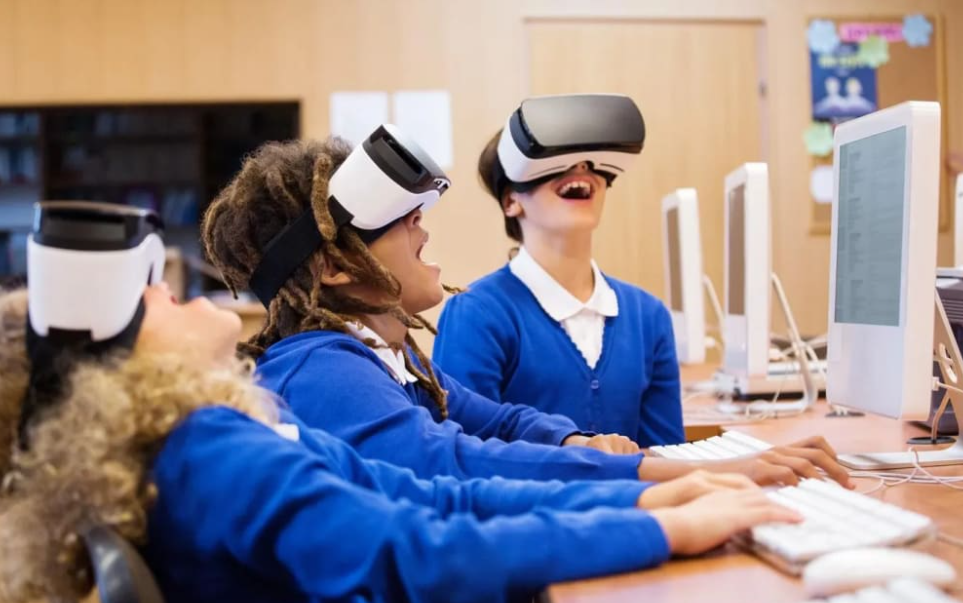
Technology’s influence on education systems is profound and multifaceted. Online learning platforms have emerged, providing flexibility and accessibility previously unattainable. Traditional classroom dynamics are shifting due to interactive tools that enhance student engagement. Additionally, personalized learning experiences are becoming the norm, thanks to adaptive technologies. As these innovations unfold, questions about inclusivity and the future of educational equity arise, prompting a deeper examination of their implications. What lies ahead in this transformative journey?
The Rise of Online Learning Platforms
As the demand for flexible and accessible education grows, online learning platforms have emerged as a transformative force in the educational landscape.
These platforms facilitate virtual classrooms that break geographical barriers, enabling diverse learners to engage in tailored educational experiences.
Enhanced learning management systems streamline course organization and tracking, fostering autonomy and adaptability, thereby reshaping traditional educational paradigms and empowering individuals in their pursuit of knowledge.
See also: How Technology Is Revolutionizing Patient Care
Interactive Tools Transforming Classroom Engagement
Numerous interactive tools are revolutionizing classroom engagement, fostering an environment where students can actively participate in their learning processes.
Gamification strategies enhance motivation and retention, turning lessons into engaging challenges.
Additionally, virtual reality immerses students in dynamic experiences, allowing them to explore complex concepts firsthand.
These innovations redefine traditional education, empowering learners to take charge of their educational journeys with enthusiasm and creativity.
Personalized Learning Through Adaptive Technologies
A growing number of educational institutions are embracing personalized learning through adaptive technologies, recognizing their potential to tailor instruction to individual student needs.
By utilizing data analytics, these systems create customized learning pathways that respond to each student’s progress and preferences.
This approach not only enhances engagement but also empowers learners to take control of their educational journeys, fostering autonomy and self-directed learning.
Bridging the Gap: Technology and Accessibility in Education
How can technology serve as a bridge to enhance accessibility in education for all learners?
Assistive technologies empower individuals with disabilities, facilitating their engagement in the learning process.
Furthermore, fostering digital literacy among educators and students cultivates an inclusive environment where diverse learning needs are addressed.
Ultimately, these advancements promote equality and enable every learner to thrive in an increasingly digital educational landscape.
Conclusion
In an era where a student’s curiosity can spark a global connection, technology reshapes educational landscapes, intertwining diverse threads of learning. Online platforms bloom like wildflowers, each adaptive tool nurturing unique paths of knowledge. As classrooms transform into vibrant, interactive spaces, the once rigid walls of traditional education dissolve, making way for inclusivity and personalized growth. Thus, technology not only rewrites the narrative of education but also crafts a tapestry rich with opportunities, illuminating the journey of every learner.