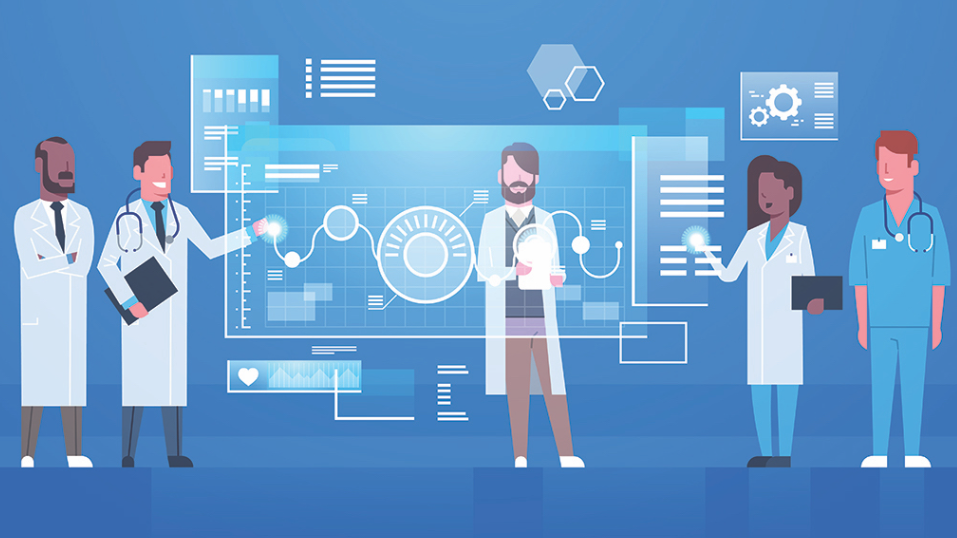
The integration of technology in healthcare is transforming patient care in profound ways. Telemedicine facilitates remote consultations, while wearable devices empower individuals to track their health continuously. Artificial intelligence enhances diagnostic accuracy, and electronic health records streamline data management. This convergence of innovations not only improves accessibility but also promotes proactive health management. However, the implications of these advancements extend beyond convenience, raising questions about privacy, equity, and the future of patient-provider relationships.
Telemedicine: Bridging Distances in Healthcare
As healthcare systems increasingly adapt to the demands of a globalized world, telemedicine emerges as a pivotal solution that transcends geographical barriers.
Virtual consultations empower patients to access quality care from the comfort of their homes, while remote monitoring technologies enable continuous health assessments.
This innovative approach fosters greater autonomy for individuals, ensuring they receive timely medical attention without the constraints of distance.
See also: How Technology Is Changing Human Intelligence
Wearable Technology: Monitoring Health on the Go
While individuals increasingly seek proactive ways to manage their health, wearable technology has emerged as a transformative tool in personal healthcare.
Devices equipped with fitness tracking capabilities allow users to monitor vital metrics in real time. This continuous data collection feeds into health analytics, empowering individuals to make informed decisions about their wellbeing, ultimately promoting a lifestyle of freedom and self-awareness in health management.
Artificial Intelligence: Enhancing Diagnostics and Treatment
Artificial intelligence (AI) revolutionizes the landscape of diagnostics and treatment in healthcare, offering unprecedented accuracy and efficiency.
By leveraging predictive analytics, AI enables healthcare providers to identify potential health issues before they escalate. This technology paves the way for personalized medicine, tailoring treatments to individual patients’ needs.
As a result, AI enhances patient outcomes, fostering a more proactive approach to healthcare management.
Electronic Health Records: Streamlining Patient Information Management
With the increasing complexity of patient care, electronic health records (EHRs) have emerged as a crucial tool for streamlining patient information management.
EHRs enhance data security while providing improved patient accessibility, ensuring that healthcare providers can swiftly access vital patient information.
This technological advancement not only fosters efficient care coordination but also empowers patients by granting them greater control over their health data.
Conclusion
In conclusion, technology is not merely an enhancement to patient care; it is a transformative force that bridges distances, empowers individuals, and optimizes diagnostics. By embracing telemedicine, individuals gain access to healthcare from anywhere; through wearable technology, they monitor their health constantly; with artificial intelligence, providers enhance diagnostics and treatment accuracy. Together, these innovations streamline information management via electronic health records, fostering a proactive approach to health that ultimately elevates patient outcomes and enriches the healthcare experience.