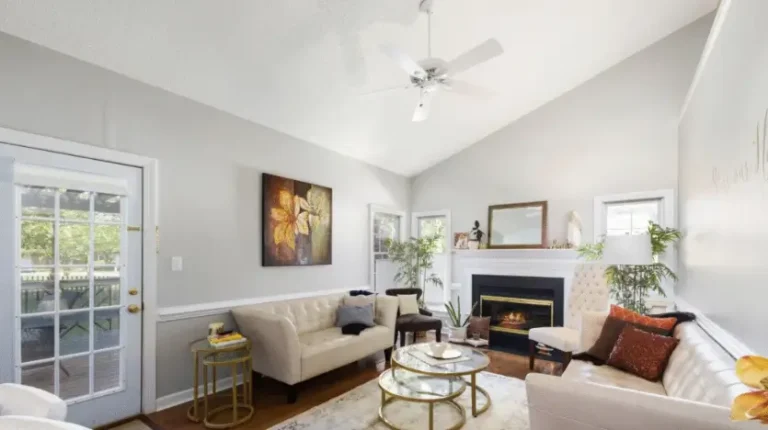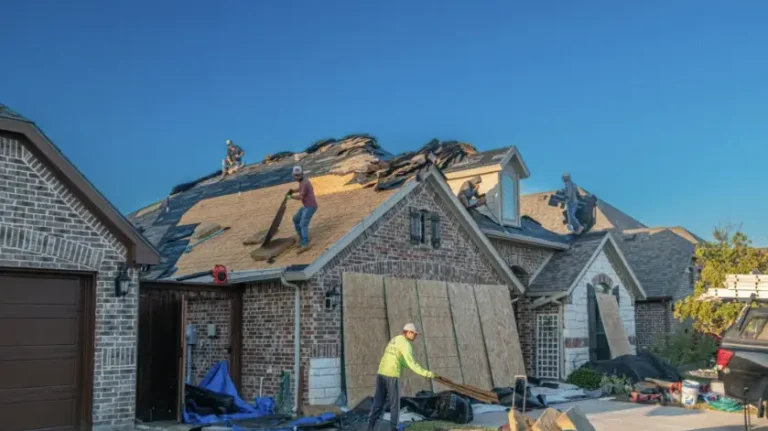
Moving isn’t always the answer. Honestly, for most homeowners right now, it’s barely even a realistic option. With the housing supply gap sitting at nearly 4 million homes in 2024, the idea of finding something bigger, better, and remotely affordable on the open market? Good luck with that.
That’s exactly why smart homeowners are turning inward, and sometimes downward, to expand living space value right where they already are. Whether your budget is tight or you’re ready to go all-in, there are real, proven approaches that create more room and meaningfully move the needle on what your home is actually worth.
Once you understand why this is one of the shrewdest investments you can make in this market, it all starts to click. From basement finishing to garden studios, the strategies below deliver the kind of returns that make the decision feel obvious in hindsight.
Expansion Strategies That Actually Move the Needle
Here’s the thing about home addition ideas: homeowners usually have far more options than they think. The challenge isn’t finding a project. It’s identifying which ones build lasting equity instead of just tacking on square footage nobody asked for.
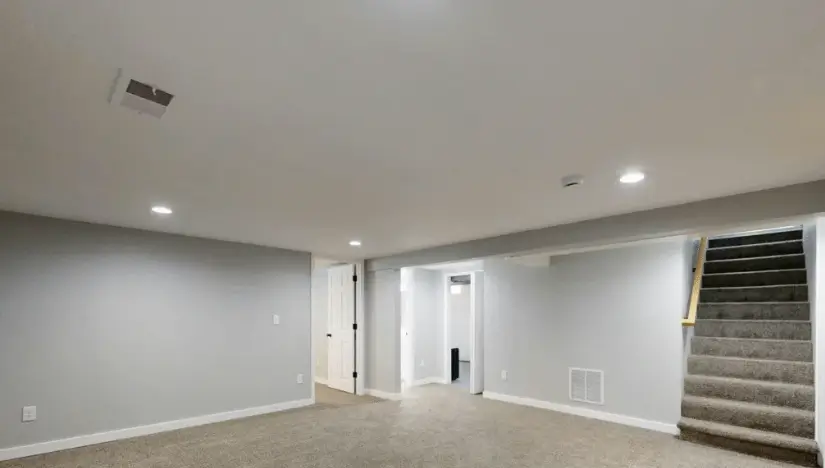
Basement Finishing as a High-ROI Solution
If you’re hunting for one of the most practical, wallet-friendly upgrades out there, basement finishing belongs at the top of your list. Converting an underused or completely raw basement into genuinely livable square footage is a game-changer.
We’re talking cozy family rooms, private guest suites, fully functional home offices, or entertainment spaces that your friends will actually want to hang out in. In some cases, you’re nearly doubling the livable footprint of your home without breaking ground outside.
The numbers back this up hard. According to the National Association of Realtors’ Homeowner Joy Score (nar.realtor), projects centered on basement finishing score a remarkable 8.8 out of 10. That’s not just financial return, that’s genuine, daily improvement in how you experience your own home. And when both metrics trend in that direction at once? You pay attention.
Attic and Loft Conversions Without Touching the Exterior
Attic conversions are criminally underrated as small home expansion ideas. You already own the space, you’re just not using it. Proper insulation, new flooring, egress windows, and a safe staircase can transform a forgotten attic into a real bedroom or private studio. No foundation work. No extending your footprint. Just smart use of what’s already there.
Bump-Out Additions for Targeted Breathing Room
A bump-out is essentially a small structural push outward, typically extending a kitchen or dining room by just a few feet. It’s one of the most budget-friendly home addition ideas for homeowners who need a specific fix, not a full-scale addition. Even a modest one creates space for a breakfast nook, a larger island, or built-in storage that completely changes how a room functions day to day.
Now that interior expansion options are mapped out, it’s worth zooming out because today’s buyers aren’t just buying a house. They’re buying a lifestyle. And your outdoor spaces are part of that pitch.
Outdoor and Lifestyle Improvements That Buyers Actually Pay For
Outdoor upgrades carry more weight in home valuation than many sellers expect. Done right, they set the emotional tone before anyone even steps through your front door.
Decks, Patios, and Outdoor Living Spaces
A well-designed deck or covered patio pushes your usable living space outward in a way that’s surprisingly affordable relative to its impact.
Buyers consistently rank outdoor living as a top priority, and elements like pergolas, built-in seating, and fire pits add both visual punch and genuine function. Better yet, many municipalities don’t require permits for these, making them a relatively fast win.
Sunrooms, Garden Studios, and Four-Season Rooms
These have quietly become some of the most desirable flex spaces on the market. Bright, airy, adaptable sunrooms and garden studios function beautifully as home offices, reading retreats, or informal lounges.
They return somewhere between 50–60% of project cost at resale and carry a lifestyle appeal that’s genuinely hard to quantify. A four-season room stretches that value across every month of the year.
See also: The Long-Term Impact of Solar Panel for Home Systems on Energy Planning
Smart Interior Strategies That Don’t Require Knocking Down Walls
Here’s a truth most contractors won’t lead with: you don’t always need to build bigger to make your home feel more spacious. Interior strategy matters just as much as square footage.
Open-but-Defined Layouts That Actually Feel Good to Live In
Removing non-load-bearing walls between the kitchen, dining room, and living area is one of the most buyer-friendly changes you can make. Open-concept layouts are still wildly popular, but today’s buyers also want defined zones. Visual separation without physical barriers. That balance is the sweet spot most renovation projects now aim for.
High Ceilings and the Strategic Use of Natural Light
Raising ceilings where structurally possible, or simply enlarging windows and rethinking lighting placement, can make a room feel dramatically larger overnight. Natural light is one of the most consistently cited priorities for buyers, and it costs far less to incorporate during a renovation than most people assume going in.
Design-Driven Decor That Signals Quality
Buyers notice character. Vintage fixtures, warm wood tones, and thoughtfully curated details translate directly into perceived value and stronger offers. Sometimes a relatively small aesthetic investment punches well above its weight in how a space is received.
Cost vs. Value: What the Numbers Actually Look Like
Before you commit to anything, it helps to know what you’re realistically getting back. Here’s how common expansion projects stack up:
| Project | Typical Cost Range | Estimated ROI |
| Basement Finishing | Moderate | 65–71% |
| Bump-Out Addition | Low–Moderate | 50–65% |
| Sunroom / Garden Studio | Moderate | 50–60% |
| Second Story / In-Law Suite | High | 50–80% |
| Deck or Patio | Low–Moderate | 60–75% |
Planning Tips That Protect Your Investment From the Start
Even the highest-ROI project can underperform without thoughtful planning upfront. A few disciplined habits go a long way here.
Get a Site-Specific Appraisal or ROI Projection First
Don’t commit a single dollar before you have a professional appraisal or, at a minimum, a contractor estimate paired with a solid comparable market analysis. Understanding what similar homes in your neighborhood sold for and which specific features drove those prices tells you exactly where to put your money.
Design for Multiple Functions
Flex rooms, accessory dwelling units (ADUs), and convertible spaces consistently outperform single-use additions in resale performance. A room that serves as both a guest suite and a home office appeals to a dramatically wider buyer pool. That versatility is worth real money.
Don’t Skip the Permits. Seriously.
Permit shortcuts have a way of resurfacing at the worst possible moment, namely, during a resale inspection. For loft conversions and second-story additions, especially, egress compliance and safe staircase integration aren’t optional. They’re outright deal-breakers for buyers and lenders alike.
Questions Homeowners Ask Before Taking the Leap
Can finishing a basement always increase resale value?
Not always, but it usually does, often substantially. Results hinge on finish quality, local market conditions, and whether the work is properly permitted. A well-designed, code-compliant basement nearly always adds measurable equity.
How much does an attic conversion typically cost?
Costs typically run $20,000 to $75,000, depending on scope. A finished attic bedroom can return 50–65% of that cost at resale while adding real, everyday usable space.
Which adds more value, a sunroom or a deck?
Decks typically post better ROI numbers in most markets. But sunrooms add more year-round functionality. Which wins for you depends on your climate and what buyers in your specific area actually prioritize.
Where to Go From Here
There’s a smart, financially sound path forward for almost every home and every budget. For a strong ROI on a moderate budget, understanding how to expand living space starts with basement conversions and bump-outs. For lifestyle-driven impact, open-plan makeovers and garden studios deliver. For long-term equity building, second stories and in-law suites stand out above the rest.
The real point here is simple: thoughtful small home expansion ideas don’t just add square footage. They add genuine, lasting value both to the life you live today and to the number your home commands when it’s time to sell. That combination, done right, is hard to beat.