Technology’s rapid evolution raises intriguing questions about its influence on human intelligence. As artificial intelligence integrates into daily life, one must consider its dual role as a tool for cognitive enhancement and a potential crutch for critical thinking. Similarly, the ubiquity of smartphones reshapes communication and information access. Yet, in this landscape, how do social media interactions affect deeper intellectual engagement? The interplay between dependence and natural cognitive abilities invites further exploration.
The Rise of Artificial Intelligence and Its Impact on Cognitive Abilities
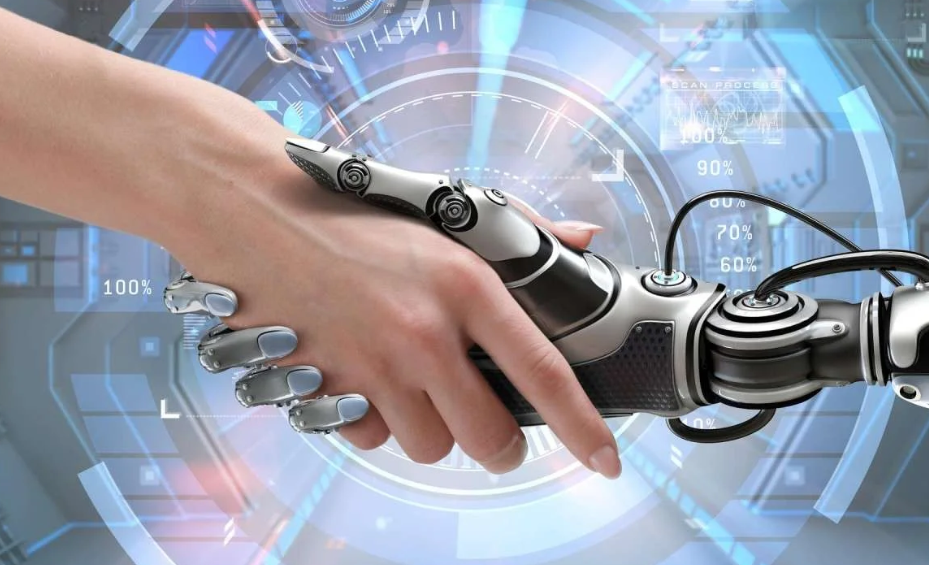
As artificial intelligence (AI) continues to advance at an unprecedented pace, it raises intriguing questions about its influence on human cognitive abilities.
The integration of machine learning into daily life suggests potential for cognitive enhancement, prompting individuals to ponder whether reliance on AI will ultimately diminish their natural intellect or serve as a catalyst for greater mental capacity.
How will this evolution shape human thought?
See also: How Technology Influences Human Productivity
The Role of Smartphones in Enhancing Communication and Information Access
While smartphones have become ubiquitous in modern society, their profound impact on communication and information access invites deeper examination.
Instant messaging facilitates rapid exchanges, fostering connections across distances. However, this immediacy often leads to information overload, challenging users to discern valuable content amidst the noise.
As individuals navigate this digital landscape, the balance between connectivity and clarity remains a pivotal concern in contemporary communication.
The Effects of Social Media on Critical Thinking and Relationships
Smartphones have not only transformed communication but have also paved the way for the rise of social media, a platform that significantly influences critical thinking and interpersonal relationships.
Users often seek social validation, leading to superficial interactions that may inhibit deeper analysis.
Additionally, the constant barrage of information can create cognitive overload, challenging individuals to engage thoughtfully while navigating their connections in a digital landscape.
The Balance Between Technology Dependence and Natural Intelligence
Although technology offers unprecedented access to information and tools for learning, the growing dependence on these innovations raises critical questions about the preservation of natural intelligence.
As cognitive enhancement becomes increasingly achievable, the risk of technology addiction looms large.
Can society strike a balance that fosters intellectual growth without overshadowing inherent cognitive abilities, or will dependence on technology ultimately reshape the essence of human thinking?
Conclusion
In a world where the mind is a garden, technology serves as both the nourishing rain and the choking weed. As artificial intelligence and smartphones sprinkle knowledge upon the soil, they also risk overshadowing the roots of natural thought. Social media, like a vine, entwines our connections yet stifles deeper growth. The challenge lies in cultivating a harmonious ecosystem, where the fruits of technological advancement thrive alongside the resilient blooms of innate intelligence, ensuring a rich harvest for future generations.